
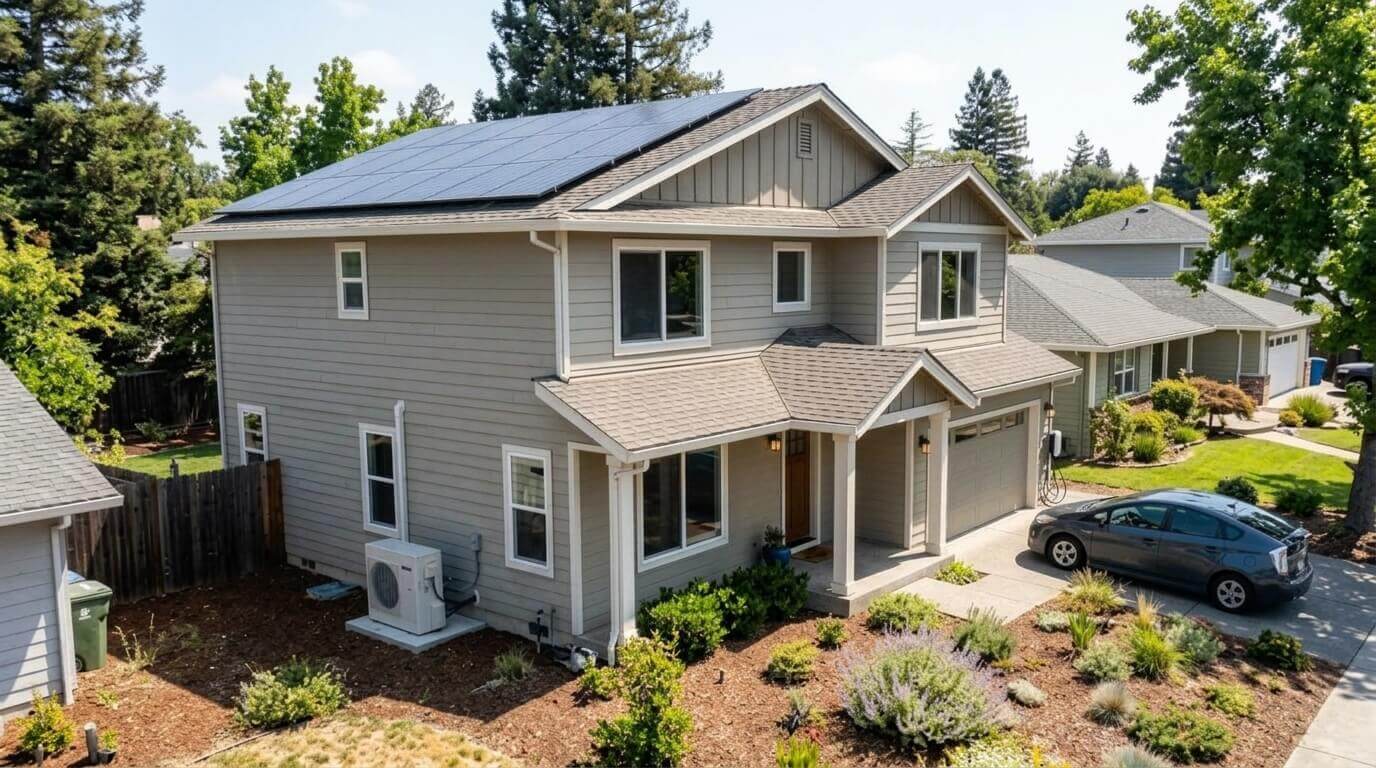

Energy-efficient home improvements are among the most valuable upgrades you can make. They cut monthly utility bills, improve comfort, qualify for generous tax credits, and increase your home’s market appeal.
This guide covers the top energy-saving home improvements, tax credits available in 2026, and practical tips for getting started without a massive budget.
Why Energy-Efficient Home Improvements Matter
Energy costs are a significant household expense. The U.S. Department of Energy estimates the average American home spends over $2,000 per year on energy. Smart home improvements can cut this by 20–30%.
Beyond savings, eco-friendly home improvements reduce carbon emissions and improve indoor air quality. Many also increase resale value, as energy-conscious buyers are willing to pay a premium for efficient homes.
Top Energy-Efficient Home Improvements
1. Add Insulation
Insulation is the highest ROI energy-saving home improvement. Proper insulation in attics, walls, and floors prevents heat loss in winter and keeps cool air in during summer. Many older homes are significantly under-insulated.
- Attic insulation returns over 100% at resale
- Average cost: $1,500–$3,000
- Annual savings: $200–$600 depending on climate
2. Replace Windows and Doors
Drafty windows and doors account for up to 30% of heating and cooling energy loss. Double-pane, low-E windows dramatically improve efficiency. Replacing an old entry door with an insulated steel model also makes a significant difference.
3. Install a Heat Pump
Heat pumps are highly efficient for both heating and cooling. They move heat rather than generating it, using up to 50% less energy than traditional electric resistance heating.
The federal Heat Pump Tax Credit offers up to $2,000 per year for qualifying installations.
4. Solar Panel Installation
Solar is one of the most impactful eco-friendly home improvements. The 30% federal solar tax credit makes it more affordable than ever. Most homeowners see a full payback within 7–10 years, with free electricity for 20+ years beyond that.
5. Smart Thermostat
A programmable or smart thermostat costs $100–$250 and can save $50–$150 per year. It learns your schedule and automatically reduces heating and cooling when you are away or asleep.
6. Upgrade to LED Lighting
LEDs use 75% less energy than incandescent bulbs and last 25 times longer. Replacing all the bulbs in your home is one of the fastest and cheapest sustainable home improvements available.
7. Water Heater Upgrade
A heat pump water heater uses up to 70% less electricity than a standard electric water heater. It qualifies for a federal tax credit of up to $600 in 2026.
8. Seal Air Leaks
Caulking gaps around windows, doors, and pipes is a low-cost energy efficiency home improvement with immediate impact. The Department of Energy estimates homeowners can save 15% on heating and cooling by sealing and insulating.
Energy Efficient Home Improvement Tax Credits 2026
| Improvement | 2026 Tax Credit |
| Insulation and air sealing | Up to $1,200 (30% of cost) |
| Energy-efficient windows | Up to $600 |
| Energy-efficient doors | Up to $500 |
| Heat pump (air source) | Up to $2,000 |
| Heat pump water heater | Up to $600 |
| Solar panels | 30% of total cost |
| Battery storage | 30% of cost |
Best Eco-Friendly Home Improvements by Budget
| Budget Range | Best Improvements |
| Under $500 | LED bulbs, smart thermostat, air sealing, weatherstripping |
| $500–$2,000 | New water heater, attic insulation, smart home devices |
| $2,000–$10,000 | New windows, heat pump, solar preparation |
| $10,000+ | Full solar system, new HVAC, whole-home insulation |
| 📝 Note: The Inflation Reduction Act of 2022 dramatically expanded energy efficiency tax credits available to homeowners. Many of these credits reset each year, meaning you can claim them annually for ongoing improvements. |
Frequently Asked Questions
What are the best energy-saving home improvements?
Insulation, heat pumps, energy-efficient windows, and solar panels offer the greatest long-term savings. All qualify for significant federal tax credits in 2026.
What is the energy efficient home improvement credit?
This is a federal tax credit covering 30% of costs for qualifying improvements like insulation, windows, heat pumps, and water heaters. Maximum credits vary by improvement type.
Are eco-friendly home improvements worth the cost?
Yes. Most energy-efficient home improvements have payback periods of 3–10 years and continue saving money for decades. Tax credits further reduce the upfront cost.
Does solar really improve home value?
Yes. Studies show solar panels increase home value by an average of 4%. In high-energy-cost markets, the premium is even greater.
Final Takeaway
Energy-efficient home improvements are smart investments for every homeowner. They lower bills, reduce your environmental impact, increase home value, and qualify for generous tax credits. Start with insulation and air sealing for the fastest payback, then invest in bigger upgrades like heat pumps and solar as your budget allows.