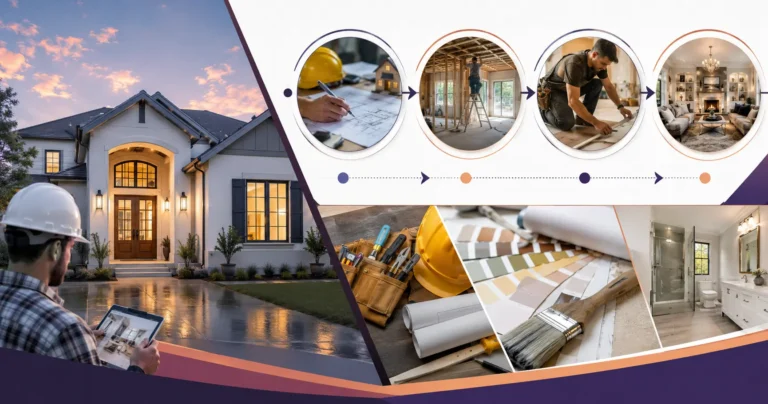

DIY home improvement and repairs save money, build skills, and give you a sense of pride in your home. You do not need years of experience to handle most common home maintenance and improvement tasks.
This guide is designed for beginners who want to start tackling DIY home improvement projects confidently. We cover the essential tools, foundational skills, safety basics, and the best starter projects to get you going.
Why DIY Home Improvement Matters
Hiring professionals for every repair and improvement adds up quickly. The average homeowner spends $3,000–$10,000 per year on home maintenance. Handling even basic repairs yourself can save 50–70% of those costs.
DIY home improvement also helps you understand your home better. When you install something yourself, you know how it works and can maintain it more effectively.
Essential Tools for DIY Home Improvement & Repairs
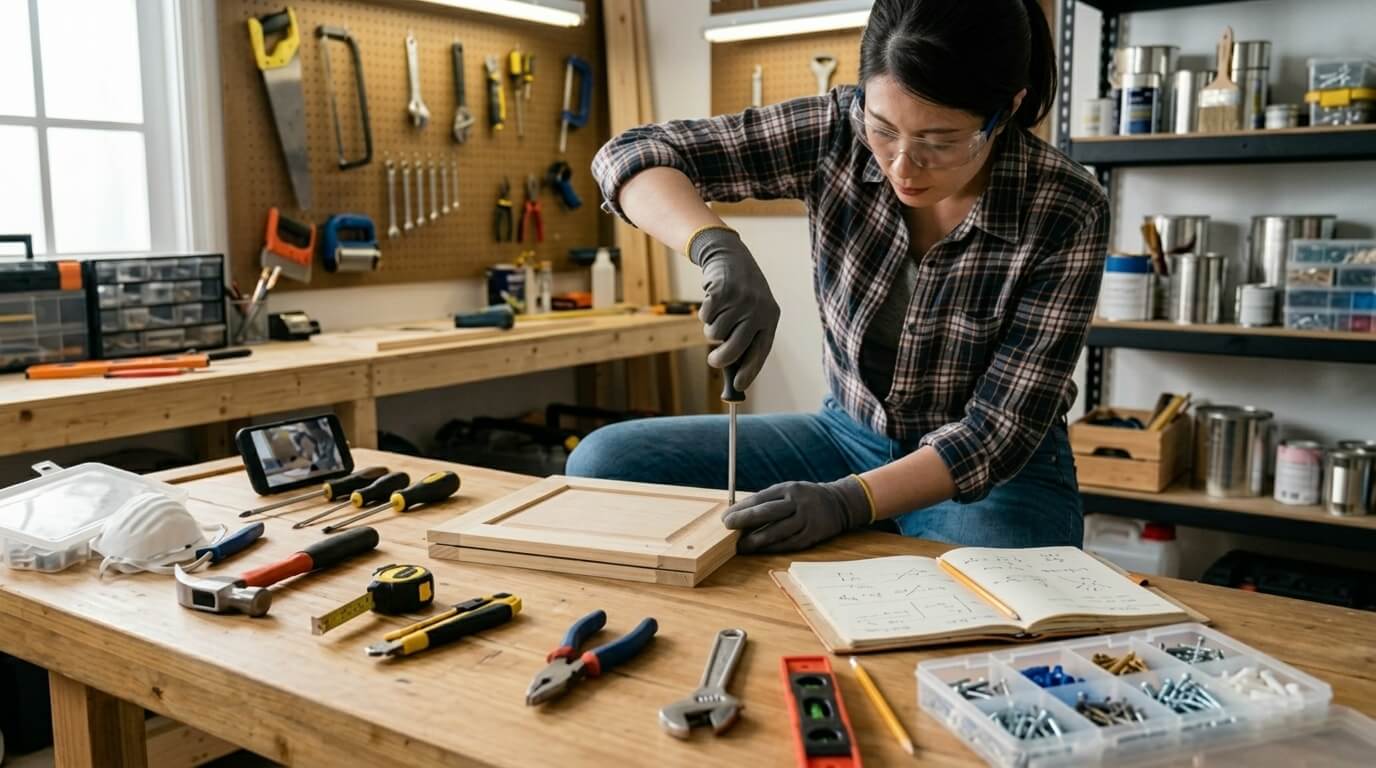
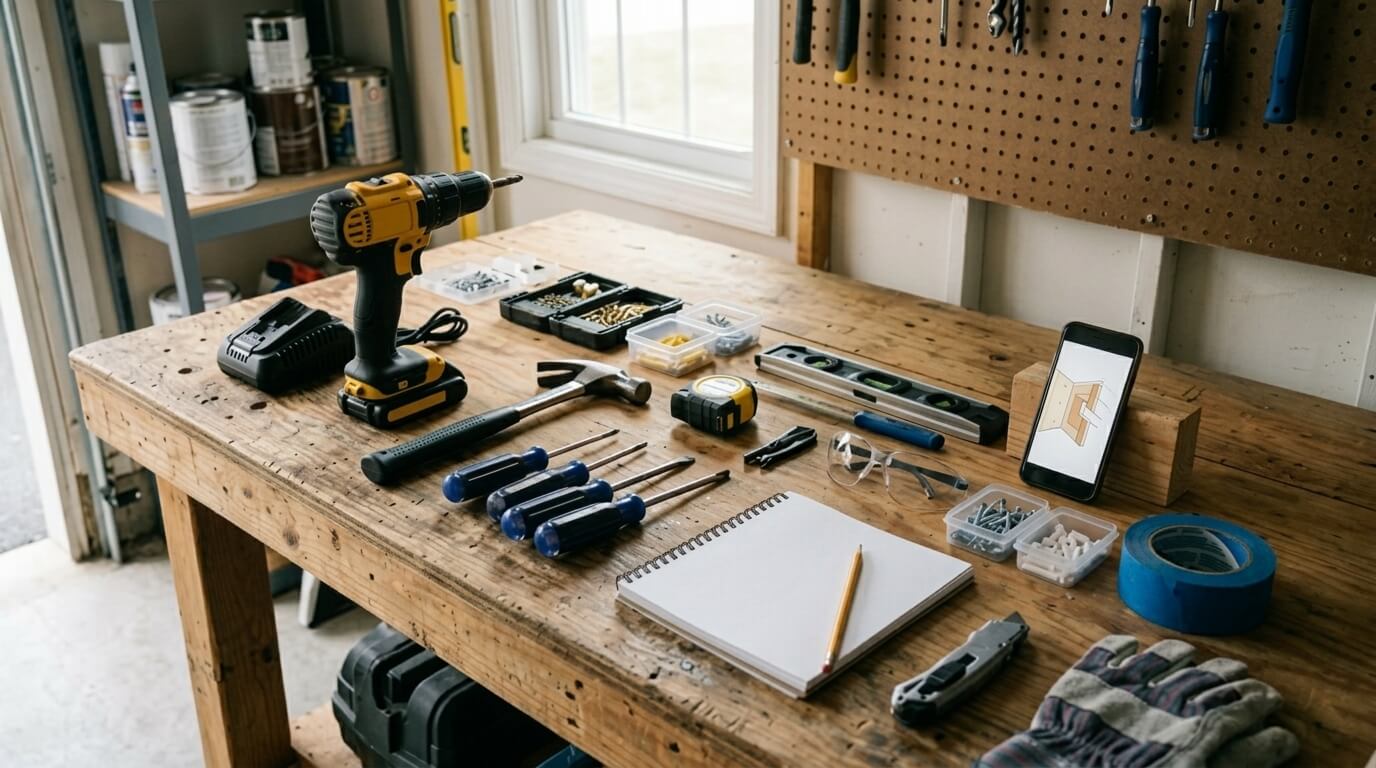
Before you start any project, build your basic tool kit. You do not need to buy everything at once. Start with these essentials:
| Tool | What It Is Used For |
| Cordless drill/driver | Drilling holes, driving screws |
| Tape measure | Measuring for cuts and placement |
| Level | Ensuring things are straight and true |
| Hammer | Driving nails, light demolition |
| Utility knife | Cutting drywall, carpet, and packaging |
| Caulk gun | Applying sealant around windows and baths |
| Pliers set | Gripping, bending, and cutting wire |
| Adjustable wrench | Tightening plumbing connections |
| Stud finder | Locating studs behind drywall |
| Safety glasses and gloves | Personal protection on all jobs |
DIY Home Improvement & Repairs: Safety First
Safety is non-negotiable. Follow these rules before starting any project:
- Turn off electricity at the breaker before any electrical work
- Turn off the water supply before plumbing repairs
- Wear safety glasses, gloves, and a dust mask where required
- Never use a ladder above the recommended weight limit
- Read all tool manuals before use
- Keep a first aid kit in your workspace
| 📝 Note: If in doubt, stop and call a professional. Some jobs, like main electrical panel work, gas line repairs, and structural changes, should always be handled by licensed contractors. |
Best DIY Home Improvement Projects for Beginners
1. Patch Drywall Holes
Small holes from nails or door handles can be patched with spackle and a putty knife. Larger holes need a mesh patch. Sand smooth, prime, and paint to match the wall.
2. Fix a Running Toilet
A running toilet wastes thousands of gallons of water per year. The most common cause is a worn flapper. Replacing it costs around $5 and takes under 20 minutes.
3. Unclog a Drain
Before calling a plumber, try a drain snake or plunger. Chemical drain cleaners work for grease build-ups but can damage pipes over time. A drain snake is safer and more effective for hair and debris.
4. Paint a Room
Painting is the most transformative DIY home improvement. The key is preparation: fill holes, sand rough areas, use painter’s tape, apply a primer, and use quality brushes and rollers for a professional finish.
5. Install a Ceiling Fan
Installing a ceiling fan improves interior design and reduces air conditioning costs. If there is already a ceiling light fixture, the wiring is typically compatible. Turn off the power and follow manufacturer instructions carefully.
6. Replace a Faucet
A dripping kitchen or bathroom faucet wastes water and costs money. Replacing a faucet takes 1–2 hours and requires only basic plumbing knowledge. Shut off the water, remove the old unit, and follow the installation guide for your new faucet.
7. Caulk Bathrooms and Windows
Old caulk cracks and grows mould. Removing old caulk with a utility knife and applying fresh caulk improves appearance and prevents water damage. It is one of the easiest DIY home improvement repairs with immediate visible results.
8. Install Floating Shelves
Floating shelves require a stud finder, level, drill, and wall anchors. Mark your layout, find and anchor to studs for heavy loads, and follow the bracket instructions. This is a rewarding first project.
DIY Home Improvement Projects by Skill Level
| Beginner | Intermediate |
| Patching holes in drywall | Tiling a backsplash |
| Replacing a toilet flapper | Installing a ceiling fan |
| Painting walls | Replacing a door |
| Installing floating shelves | Building a deck |
| Caulking windows and baths | Installing laminate flooring |
Frequently Asked Questions
Where do I start with DIY home improvements?
Start with small, low-risk projects like painting, caulking, and replacing hardware. Build your confidence and tool kit before attempting more complex repairs.
What DIY home repairs can I do myself?
Most cosmetic repairs, basic plumbing (faucets, toilets), painting, caulking, and minor carpentry are suitable for confident beginners with the right tools and instructions.
How do I learn DIY home improvement skills?
YouTube channels, home improvement stores, community college courses, and books like Harold Lanham’s DIY home improvement guides are excellent learning resources.
Is DIY home improvement cheaper than hiring professionals?
Yes. DIY saves 50–70% on most projects. However, complex jobs like electrical panels, structural work, and major plumbing should always use licensed professionals.
Final Takeaway
DIY home improvement and repairs are accessible to anyone willing to learn. Start with simple projects, invest in quality tools, always prioritise safety, and build your skills over time. The savings are significant and the satisfaction of maintaining your own home is genuinely rewarding.