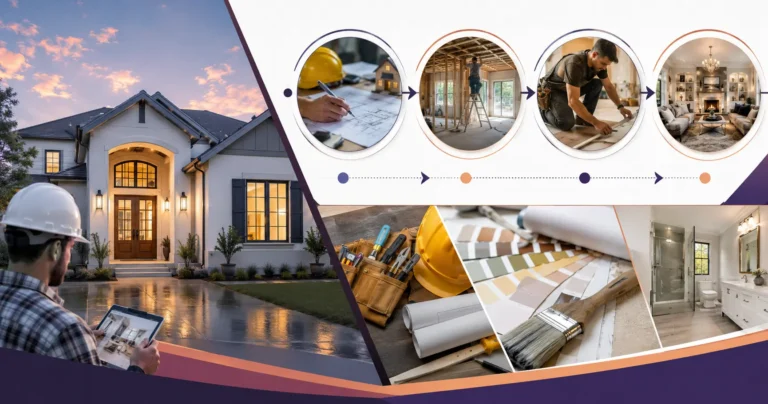


When you understand what interior designers and decorators actually do — and how they approach their work — you start to see the spaces around you differently. Great interior decoration does not happen by accident. It is the result of deliberate choices about colour, scale, texture, light, and detail. This guide explores the world of interior designers & decorators, shows you how the professionals approach interior designers christmas decorations, and provides practical interior home decoration design and interior wall decoration design advice you can apply today.
Interior Designer vs Interior Decorator: A Working Distinction
For those new to this world, interior designer vs interior decorator is the first thing to understand.
An interior designer holds broad training across spatial design, technical drawing, lighting specification, and architectural planning. They can work on new builds and major renovations, coordinate with architects and contractors, and handle the structural as well as aesthetic dimensions of a project.
An interior decorator focuses on the visual and aesthetic layer — furniture, colour, textiles, art, and accessories — within an existing architectural framework.
In practice, many interior designers & decorators work across both disciplines, particularly in residential settings where clients need help with both the spatial planning and the visual styling of their homes.
What Interior Designers and Decorators Do Every Day
The daily work of interior designers and decorators is more varied than most people imagine.
Client meetings and briefings: Understanding a client’s needs, lifestyle, budget, and aesthetic vision is the foundation of every project. Good designers ask many questions — and listen carefully to the answers.
Site visits and measurements: Every project begins with a thorough understanding of the physical space. Measurements, light studies, architectural assessments — all of this informs every subsequent decision.
Concept development: Creating a design concept — a visual and verbal description of what the finished space will feel like — is one of the most creative parts of the work.
Sourcing and specification: Finding and specifying furniture, fabrics, tiles, lighting, and accessories from trade suppliers, antique dealers, and bespoke makers. This requires an extensive knowledge of the market and strong supplier relationships.
Project management: Coordinating delivery schedules, managing contractors, solving problems when things do not go as planned, and keeping projects on time and on budget.
Presentation and styling: The final stage — placing furniture, hanging art, styling surfaces, and dressing beds — is often called “fluffing” in the industry, and it is where the magic comes together.
Interior Designers Christmas Decorations: How the Pros Do It
Interior designers christmas decorations follow principles that anyone can adopt to elevate their holiday decor from chaotic to composed.
Principle 1: Edit Before You Decorate
Before adding a single Christmas decoration, designers clear surfaces and put away everyday objects that compete visually with holiday decor. A clean canvas makes the Christmas additions more impactful.
Principle 2: Work With the Room’s Palette
The best interior designers christmas decorations extend the room’s existing colour story into the holiday season rather than replacing it entirely.
- A neutral room gets gold, cream, and pine green Christmas accents.
- A blue and white room gets a crisp, Nordic-inspired Christmas palette.
- A maximalist jewel-toned room gets rich burgundy, deep green, and brass Christmas elements.
Principle 3: Invest in Fewer, Better Pieces
A single large, beautiful wreath. A set of high-quality brass candlesticks with real taper candles. A tree with thoughtfully chosen ornaments in a consistent palette. These investments are used for years and always look better than a room full of cheap decorations changed annually.
Principle 4: Layer Scent as Well as Sight
The smell of Christmas — pine, cinnamon, cloves, oranges, beeswax candles — is as important to the seasonal atmosphere as the visual elements. Designers always think about scent when creating a holiday interior.
Principle 5: Consider Each Room Separately
Every room in the home should receive some seasonal attention, but not every room needs a tree and a garland. A single candle and a dried orange slice in a bathroom. A simple bowl of pinecones in a bedroom. A wreath on the front door. These smaller gestures tie the whole home together without overwhelming any single space.
Interior Home Decoration Design: Expert Principles
Whether you are decorating for Christmas or refreshing your home for everyday life, these interior home decoration design principles from professional designers will serve you well:
Respect the scale of the room. Every piece of furniture and every accessory should be proportional to the space it occupies. A small sofa in a large room looks lost. An oversized pendant light in a small room overwhelms.
Create visual weight at different heights. Ground-level elements (rugs, low furniture, floor plants), mid-level elements (sofas, tables, artwork), and high-level elements (tall bookshelves, pendant lights, ceiling treatments) create a balanced visual composition.
Use the rule of odd numbers. Group accessories in threes, fives, or sevens rather than pairs or even numbers. Odd groupings feel more organic and dynamic.
Edit constantly. The best-decorated rooms are constantly being refined. Something is always being added, removed, or repositioned.
Let one thing be perfect. In every room, choose one element to be truly exceptional — a beautifully upholstered chair, a piece of original art, an extraordinary light fitting. Everything else can be modest. That one excellent piece elevates everything around it.
Interior Wall Decoration Design: Making Walls Work Harder
Interior wall decoration design is a discipline within decoration that specifically addresses how walls are treated and adorned.
The major categories of wall decoration design include:
Paint and colour: The foundational wall treatment. Choosing between flat, eggshell, satin, and gloss finishes affects both the practical durability of the wall and how light interacts with its surface.
Wallpaper and wall coverings: From traditional printed papers to grasscloth, silk, vinyl, and fabric wall coverings, wallpaper adds pattern, texture, and depth in ways paint alone cannot.
Wall panelling: Architectural panelling adds three-dimensional texture and a sense of permanence and quality to any room.
Art and mirrors: The arrangement of art and mirrors is arguably the most personal form of interior wall decoration design. A well-curated gallery wall tells the story of a life. A single perfectly placed mirror transforms a room’s light and perceived size.
Sculptural elements: Ceramics, woven wall hangings, metal reliefs, and plant installations create texture and shadow on walls in ways that flat art cannot.
Urban 57 Home Decor and Interior Design
Urban 57 home decor & interior design is a recognised name in the Washington DC metro area’s design market, known for furniture accessories, and interior design services that bridge the gap between contemporary design and accessible luxury. Their showroom offers a curated selection of home decor and works with clients on residential interior projects across the DC, Maryland, and Virginia area.
For those in the Washington metro area seeking interior designers and decorators showrooms like Urban 57 are valuable resources — offering both inspiration and access to quality furniture and decor.
FAQs
What is the difference between interior designers and decorators?
Interior designers handle the spatial, technical, and aesthetic dimensions of a project. Decorators focus on the visual finishing of spaces within existing architectural frameworks. Many professionals work across both areas.
How do interior designers handle Christmas decorations?
They work with the room’s existing palette, edit aggressively before decorating, invest in fewer high-quality pieces, and treat scent as seriously as visual elements.
What makes interior wall decoration design successful?
Mixing different types of wall treatments — colour, texture, panelling, art — at appropriate scales, and always considering how light will interact with wall surfaces at different times of day.