
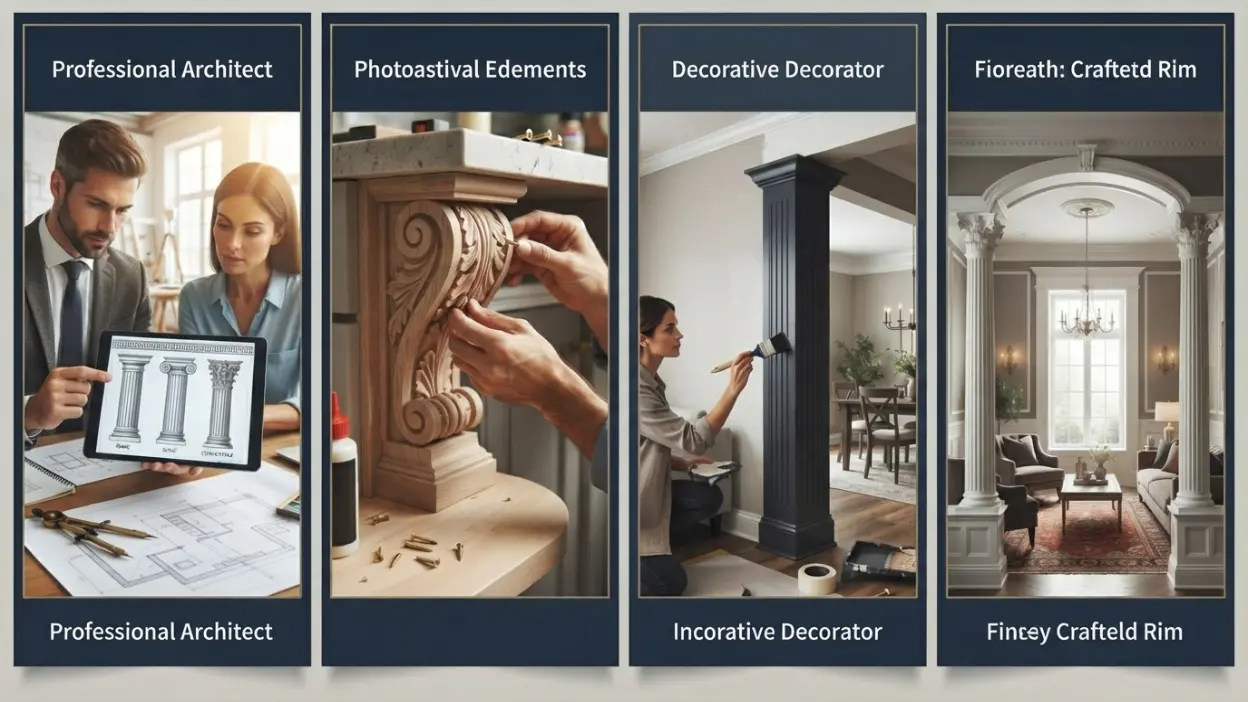

Architecture and decoration are inseparable in the most beautiful homes. Features like columns, pillars, corbels, and decorative trim are not just structural elements — they are powerful design statements.
If you are looking to add a sense of grandeur, history, or character to your home, understanding how to use decorative interior columns and architectural details is the place to start.
Wider renovation context can be found in Home Improvement resources, which can help you plan structural changes alongside decorative ones.
The Role of Decorative Interior Columns
Decorative interior columns have been used in architecture for thousands of years. From ancient Greece to modern American homes, columns signal elegance, structure, and prestige.
In modern interiors, columns can serve both a structural and decorative purpose. They can define the boundary between a living and dining area, frame an entryway, or simply add visual interest to a large room.
Types of Decorative Columns for Interior Spaces
There are many styles of decorative columns interior to choose from.
Classical Styles
Decorative columns interior design often draws from classical architecture: Doric (simple and sturdy), Ionic (elegant with scroll tops), and Corinthian (ornate with leafy capitals). Each style makes a different statement.
Modern Columns
Clean, round, or square columns with minimal detailing work perfectly in contemporary homes. They add visual structure without feeling heavy or ornate.
Decorative Pillars Interior: Bold and Striking
Decorative pillars interior are similar to columns but often more prominent and used as standalone features. A pair of pillars flanking a fireplace or framing a room entrance makes a dramatic architectural statement.
Decorative pillars for interior spaces come in wood, MDF, plaster, and fiberglass. Each material has its advantages — wood offers warmth and authenticity, while fiberglass is lightweight and easier to install.
Decorative interior pillars and columns can be purchased as kits and installed without major construction work, making them accessible for many homeowners.
Pair architectural interior features with matching exterior decoration for a seamless look from the outside in.
Decorating Interior Columns: Tips and Ideas
Decorating interior columns that already exist in your home is a great way to turn a functional element into a design feature.
Here are some ideas:
- Wrap columns in wood paneling for a warm, organic feel
- Paint columns in an accent color to make them stand out
- Add decorative molding around the base and capital of the column
- Use lighting at the base of columns for a dramatic effect
- Wrap columns in stone veneer for a rustic, luxurious look
Decorative Corbels Interior: Functional Beauty
Decorative corbels interior are bracket-like architectural details that project from a wall and support shelves, mantels, or countertops. They add an old-world charm and sense of craftsmanship to any room.
Corbels are especially popular in kitchens, where they support kitchen island overhangs, and in living rooms, where they frame fireplaces or built-in shelving.
For kitchen-specific architectural inspiration, visit Kitchen Decoration for ideas that blend structure and style.
Decorative Interior Trim: The Detail That Defines a Room
Decorative interior trim includes baseboards, crown molding, chair rails, and wainscoting. These details may seem minor, but they significantly impact the overall feel of a room.
In high-end homes, thick crown molding and intricate baseboards signal quality and craftsmanship. Even in modest spaces, adding well-chosen trim can make a room feel more finished and intentional.
Decorative Window Trim Interior
Decorative window trim interior frames your windows and draws attention to one of the most light-giving features of a room. Options range from simple flat casings to elaborate layered surrounds with sills and cornices.
Coordinate your window trim with your interior decoration style to ensure every detail feels considered and cohesive.
Frequently Asked Questions
What are decorative interior columns made of?
Decorative columns for interior spaces are commonly made from wood, MDF, fiberglass, plaster, or polyurethane foam. Each material offers different finishes and price points.
How do I add architectural detail to a plain room?
Start with decorative trim: add crown molding, upgrade your baseboards, or install wainscoting. These changes have a big visual impact with relatively modest cost and effort.
Are decorative pillars structural?
Decorative interior pillars and columns are usually non-structural and purely aesthetic. If you are considering structural changes, always consult a licensed professional