
The craftsman style is one of the most beloved architectural and interior design traditions in American history. Born out of the Arts and Crafts movement in the late 19th century as a reaction against mass-produced Victorian excess, craftsman design celebrates honest materials, skilled workmanship, and a deep connection to nature. If you live in a craftsman bungalow or simply love the warmth and character of this style, this guide will walk you through everything you need to know about craftsman interior decor and craftsman style interior decorating.
The Philosophy Behind Craftsman Design
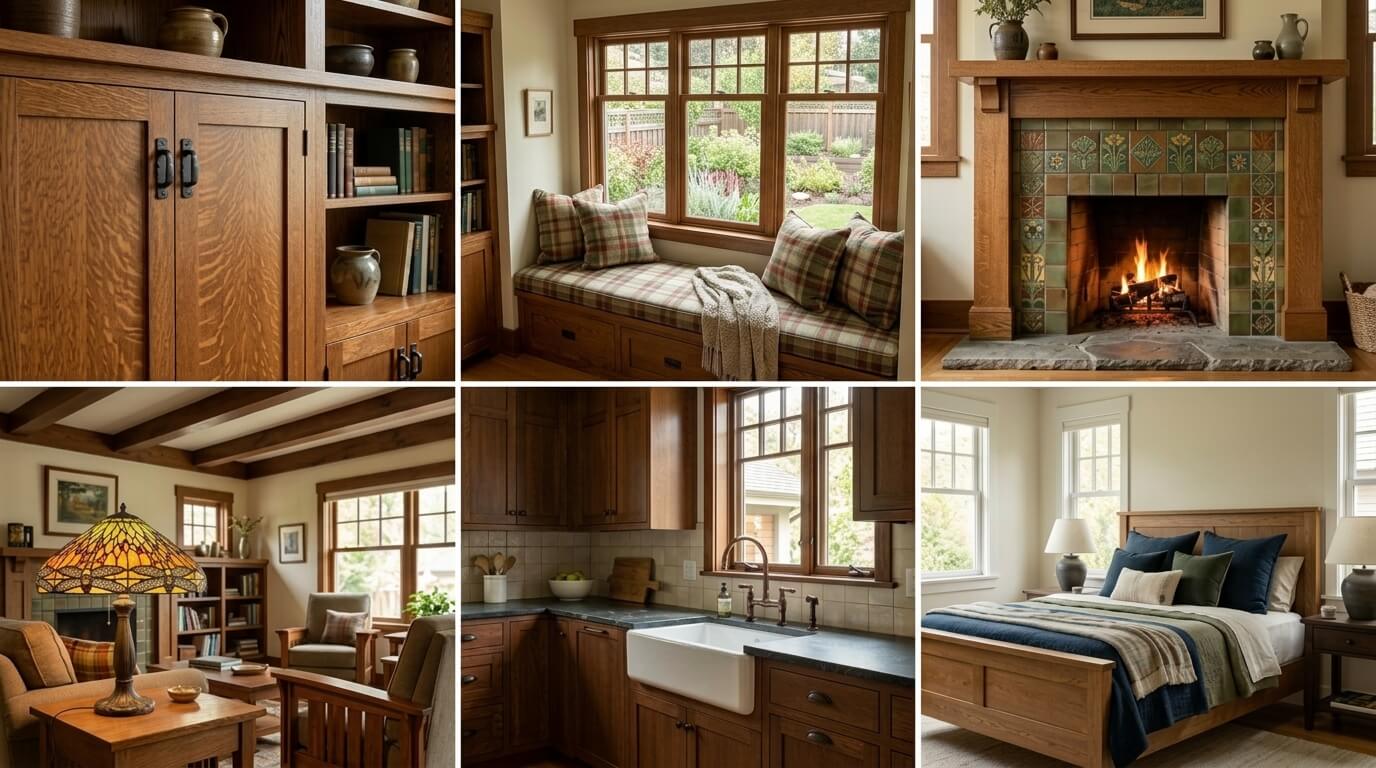
Craftsman design is rooted in a belief that beauty and function should coexist. Every element of a craftsman interior serves a purpose — built-in bookshelves provide storage and display space while adding architectural character; exposed ceiling beams celebrate the home’s structure rather than hiding it; natural wood tones bring warmth and visual richness.
The craftsman aesthetic rejects ostentation. It is not about showing off wealth — it is about honoring the craftsmanship and materials that go into making a home. This makes it an enduringly appealing style across different income levels and home types.
Key Elements of Craftsman Interior Decor
Natural Wood in Abundance
Wood is the soul of craftsman design. Quarter-sawn oak, fir, and chestnut are traditional choices. You will find it in the flooring, built-ins, window frames, door casings, and furniture. The grain and natural character of the wood are meant to be celebrated, not hidden.
Built-Ins That Define the Space
Craftsman homes are famous for their built-in furniture — window seats with storage beneath, flanking bookshelves beside the fireplace, built-in china cabinets in the dining room. These elements make the home feel bespoke and fully realized.
Arts and Crafts Tile
Arts and crafts tile — characterized by earthy glazes, nature motifs, and matte or satin finishes — is a hallmark of craftsman interiors. Look for it around fireplaces, in bathrooms, and in kitchens. Motifs include leaf patterns, geometric forms, and stylized animals.
Warm, Earthy Color Palette
Craftsman interiors favor warm, nature-inspired colors: olive green, russet brown, golden yellow, dusty blue, and rich burgundy. These colors feel simultaneously cozy and sophisticated, grounding the space in the natural world.
Handwoven Textiles
Rugs, upholstery, and curtain fabrics in craftsman homes tend to be woven with visible texture — flat-weave rugs, burlap-style fabrics, and wool blends all work well. Patterns are typically geometric, nature-inspired, or Native American influenced.
Craftsman Decor Interior Design: Room by Room
Living Room
The living room is the heart of a craftsman home. Center it around a fireplace with a handcrafted wood or tile mantel. Flank it with built-in shelves. Choose a sturdy, well-made sofa in leather or wool upholstery. A Mission-style coffee table and Tiffany-inspired lamp complete the look.
Kitchen
Craftsman kitchens feature shaker-style cabinetry, subway tile or arts and crafts tile backsplashes, farmhouse sinks, and hardware in oil-rubbed bronze or matte black. Open shelving in wood adds warmth and display space.
Bedroom
A craftsman bedroom is serene and grounded. A solid wood bed frame, a simple quilt or woven bedspread, warm-toned walls, and simple window treatments create a restful, unpretentious space.
Blending Craftsman with Classic and Colonial Revival Styles
Craftsman design shares DNA with both classic interior decor and colonial revival interior decorating. All three traditions value quality, craftsmanship, and natural materials. Blending them can create a beautifully layered, personally meaningful interior.
For example, a classic French interior decor element — like a gilded mirror or formal drapery — can add a touch of sophistication to a craftsman living room without feeling out of place, as long as the proportions and materials are balanced.
Country Style Interior Decorating in a Craftsman Frame
Country style interior decorating blends naturally with craftsman elements. Both celebrate natural materials, handmade objects, and a lived-in, unpretentious warmth. The key difference is that craftsman design is more structured and architectural, while country style is more eclectic and informal.
For more home style inspiration, visit Home Altar Guide
Browse the Interior Design section for craftsman and traditional style guides.
Explore our Furniture category for Mission-style and craftsman-inspired pieces.
Craftsman interior decor is not a trend — it is a timeless philosophy of beauty, function, and respect for natural materials. Whether you are restoring a genuine craftsman bungalow or simply drawing on the style’s principles in a modern home, the craftsman aesthetic offers warmth, character, and a sense of enduring quality that few other design styles can match.