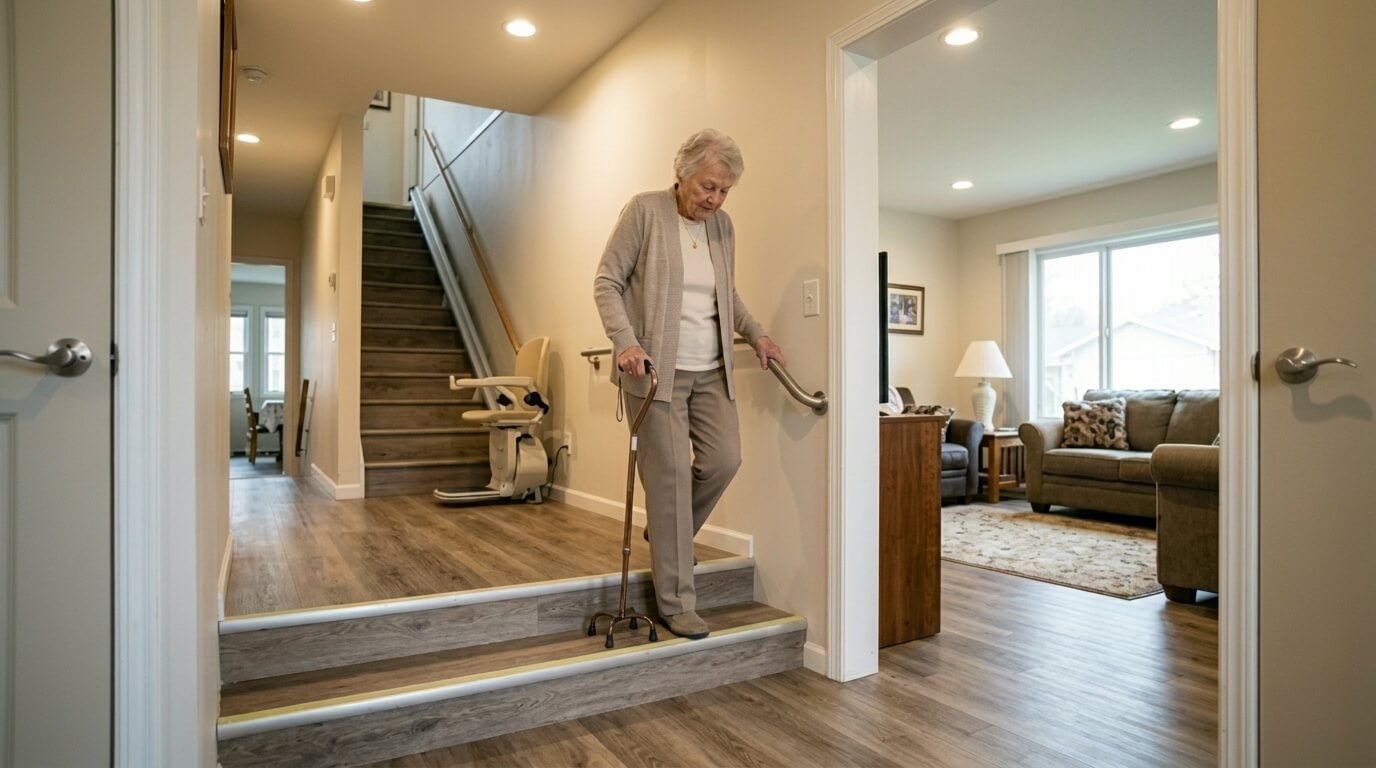

As people age or face mobility challenges, their home needs to adapt. Strategic home improvements for elderly and disabled residents can prevent falls, improve independence, and make daily life significantly safer and more comfortable.
This guide covers the most important accessibility home improvements, available grants, and practical steps for making a home work better for seniors and people with disabilities.
Why Home Improvements for Elderly Homeowners Matter
According to the CDC, falls are the leading cause of injury among adults aged 65 and older. Most falls happen at home. Simple modifications to the home environment can reduce fall risk by up to 50%.
Ageing in place, the ability to remain at home safely as you age, is a goal for the vast majority of older adults. Home improvements that support this goal also tend to add value to the property for future buyers.
Top Home Improvements for Elderly Residents
1. Grab Bars in Bathrooms
Grab bars in the shower, near the toilet, and beside the bath are the single most important home improvement for elderly safety. Professional installation ensures bars are anchored into studs and can support full body weight.
2. Non-Slip Flooring
Slippery flooring is a leading fall hazard. Replace smooth tiles with textured options, add non-slip rugs with rubber backing, and use non-slip coatings on existing floors. Remove loose area rugs entirely.
3. Walk-In Shower or Tub
A walk-in shower eliminates the need to step over a high tub edge. A curbless shower design is the safest option for wheelchair users or those with limited mobility.
4. Stairlift Installation
For homes with multiple floors, a stairlift allows safe and independent access to all levels. Modern stairlifts are compact, reliable, and can be installed on straight or curved staircases.
5. Wider Doorways
Standard doorways are 28–30 inches wide, too narrow for wheelchairs. Widening doorways to 32–36 inches is a significant but important home improvement for wheelchair and walker users.
6. Lever Door Handles
Replacing round doorknobs with lever handles is an inexpensive improvement that makes a big difference for people with arthritis or limited hand strength.
7. Ramp Installation
An exterior ramp replaces or supplements stairs for wheelchair users. This is an important exterior design improvement that dramatically improves accessibility and independence.
8. Improved Lighting
Good lighting reduces fall risk significantly. Install motion-activated night lights in hallways and bathrooms. Increase wattage in key areas. Glow-in-the-dark light switches are also helpful.
9. Emergency Communication System
Medical alert systems and smart home devices allow elderly residents to call for help immediately if they fall or experience a medical emergency. This is a simple but potentially life-saving improvement.
10. Walk-In Closet Modifications
Lower hanging rails, pull-out shelves, and reachable storage areas make daily dressing easier and safer for those with limited mobility.
Home Improvements for Disabled Adults
| Improvement | Benefit for Disabled Users |
| Lowered countertops | Wheelchair accessible work surfaces |
| Roll-under sink | Wheelchair access to kitchen sink |
| Zero-entry shower | No tripping hazard for wheelchair users |
| Smart home controls | Voice-controlled lighting, heating, and security |
| Stairlift or home lift | Multi-floor access without physical strain |
| Accessible parking pad | Space for adapted vehicle unloading |
Grants Available for Home Improvements for Elderly and Disabled
Many free and subsidised programmes exist to help fund home improvements for seniors and disabled individuals:
- USDA Section 504: Up to $10,000 grant for 62+ rural homeowners
- VA SAH Grant: Up to $109,986 for veterans with service-related disabilities
- HUD CDBG: Local grants for accessibility improvements
- Area Agency on Aging: Local repair and modification programmes
- State Home Modification Programmes: Varies by state
- Medicaid HCBS Waivers: Can fund home modifications in some states
| 📝 Note: Contact your local Area Agency on Aging (eldercare.acl.gov) or call 1-800-677-1116 to find local programmes that may be available in your area. |
Frequently Asked Questions
What are the most important home improvements for elderly people?
Grab bars, non-slip flooring, improved lighting, and stairlifts are the highest priority. These directly reduce fall risk and support independent living.
Can I get a grant to modify my home for disability?
Yes. Federal and state programmes including USDA Section 504, VA grants, and Medicaid waivers fund home modifications for qualifying disabled individuals.
How much does it cost to make a home accessible?
Costs vary widely. Basic modifications like grab bars and lever handles may cost a few hundred dollars. Major changes like stairlifts and widened doorways can run $2,000–$20,000+.
What is the best home improvement for fall prevention in elderly?
Installing grab bars in the bathroom and removing tripping hazards like loose rugs are the most effective fall prevention home improvements for elderly individuals.
Final Takeaway
Home improvements for elderly and disabled individuals are an investment in safety, independence, and quality of life. Even modest changes like grab bars and better lighting can make a significant difference. Free grants and financial assistance are available for qualifying homeowners. Start with the highest-risk areas like bathrooms and staircases, and explore what funding is available in your area. For more inspiration, visit Home Altar Guide.