
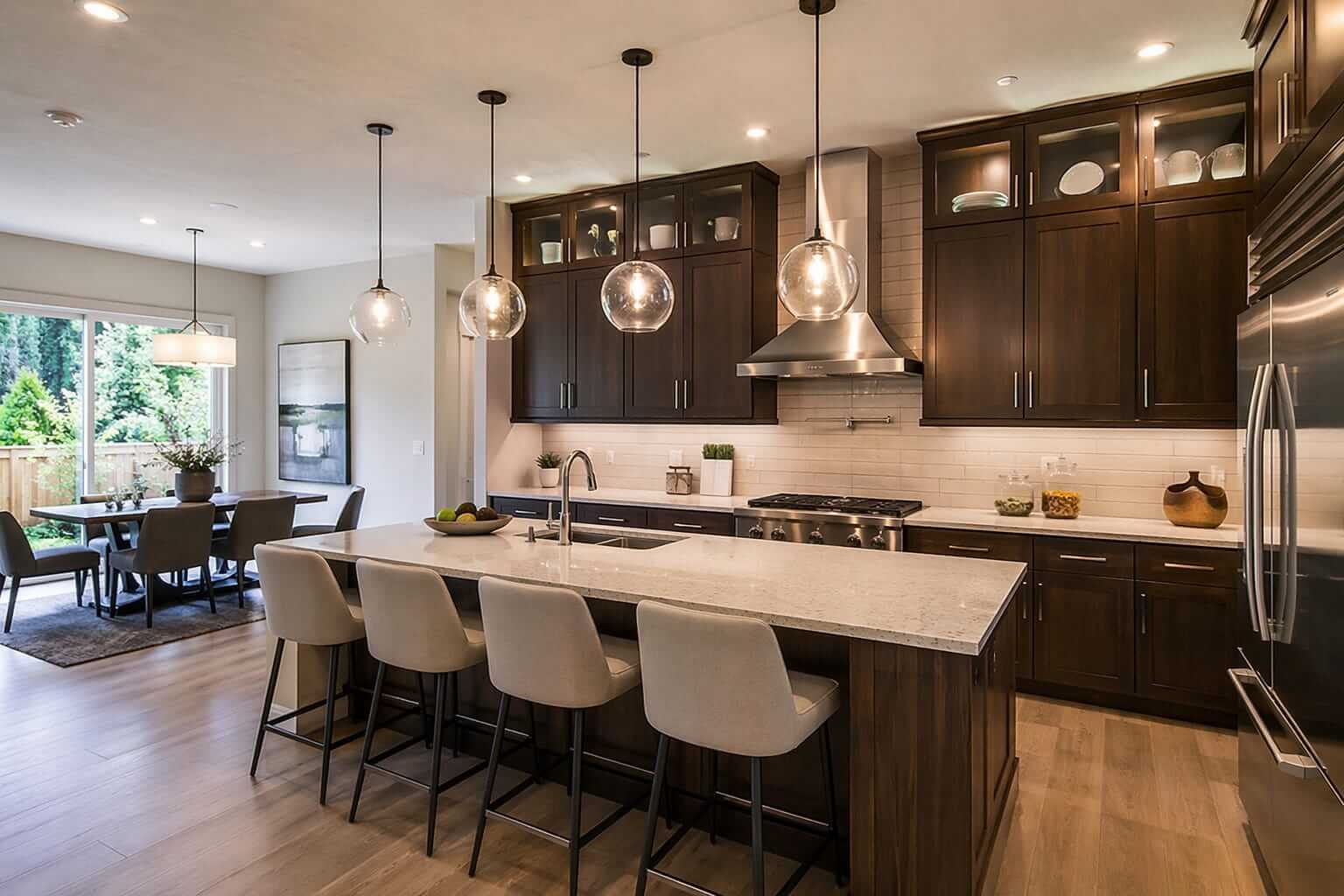

The kitchen is the heart of the home. Modern homes have more design ambition than any previous generation of residential architecture. And for those who want to understand interior design deeply — either as a career or as a passionate homeowner — knowing the right resources and schools makes all the difference. This guide covers kitchen design interior decorating in full detail, explores modern homes interior design and decorating ideas, reviews the interior design handbook, looks at the best schools of interior design decorating, and answers the perennially popular question: what is the difference between interior decorator and interior designer?
What Is the Difference Between Interior Decorator and Interior Designer?
Since this is one of the most-searched questions in the design world, let us address it directly and clearly.
What is the difference between interior designer and decorator? Simply put:
An interior designer is trained to work on both the functional and aesthetic dimensions of spaces. This includes spatial planning, technical drawings, lighting design, material specification, and the coordination of renovation or construction projects. Interior designers can alter the physical structure of spaces and are often required to be licensed for commercial work.
An interior decorator works within the existing structure of a space to make it beautiful. They select furniture, colours, textiles, lighting, art, and accessories. They do not typically produce technical drawings or manage structural changes.
What is the difference between interior decorator and interior designer in practice? The designer shapes the space. The decorator beautifies it. Both are valuable, and both require significant skill, knowledge, and experience to do well.
In day-to-day residential work, the lines often blur. Many interior designers also offer full decorating services. Some exceptionally talented decorators have sufficient spatial knowledge to handle minor planning decisions. The distinction matters most when licensing, technical drawings, or structural work are required.
Kitchen Design Interior Decorating: The Complete Guide
The kitchen is unique among rooms in the home. It must be functional above all — a working space for food preparation, cooking, cleaning, and often eating and entertaining as well. But it is also one of the most scrutinised rooms in any home, and one of the highest-impact spaces for property value.
Getting kitchen design interior decorating right means balancing all of these demands elegantly.
Kitchen Layout: The Foundation of Good Design
Before choosing cabinet colours or countertop materials, the layout must be right. Kitchen design is built around the classic “work triangle” — the relationship between the refrigerator, the sink, and the cooker. These three elements should form a triangle with each side between 1.2m and 2.7m in length. This ensures efficient movement during cooking without excessive walking.
Modern kitchens often evolve the triangle into a “work zone” concept — separate zones for preparation, cooking, cleaning, and storage — which suits larger, open-plan kitchen spaces better.
Kitchen Cabinet Styles
Cabinets define the visual character of a kitchen more than any other element.
Shaker style cabinets — with their simple, recessed panel doors — are the most versatile and enduringly popular option. They work equally well in traditional and contemporary kitchens.
Flat-panel / slab doors create a sleek, modern look. Popular in minimalist and contemporary kitchens.
Inframe cabinets — where the door sits within a visible outer frame — have a traditional, furniture-like quality that is the hallmark of high-end kitchen design.
Open shelving mixed with closed cabinetry adds visual lightness and the opportunity for display.
Kitchen Colour Trends in Interior Decorating
Current kitchen colour trends in kitchen design interior decorating include:
- Deep greens (forest, sage, hunter) — particularly popular for island units or lower cabinets.
- Warm off-whites and linens — softer and warmer than pure white, which can feel clinical.
- Terracotta and warm clay tones — particularly in Mediterranean-influenced kitchens.
- Navy and inky blue — dramatic and sophisticated.
- Two-tone kitchens — upper cabinets in a lighter colour, lower cabinets in a darker tone.
Countertops
The countertop is both the most-used and most-scrutinised surface in the kitchen. Leading choices include:
- Quartz: Engineered, consistent, extremely durable, available in a wide range of colours and patterns.
- Marble: Beautiful but requiring sealing and care. The gold standard of luxury.
- Granite: Natural, varied, extremely durable. More rustic in character than marble.
- Butcher block: Warm and natural. Requires oiling but adds enormous warmth.
- Concrete: Industrial and contemporary. Custom-made, unique every time.
- Porcelain slabs: Increasingly popular, extremely hard-wearing, available in large formats with minimal joins.
Kitchen Decorating Details
Once the structural elements are right, the decorating details transform a kitchen from functional to beautiful:
- Pendant lights over an island are both practical and visually dramatic.
- A statement splashback in handmade tiles, polished plaster, or zellige ceramic adds artisanal character.
- Open shelving styled with ceramics, glassware, and plants brings warmth and personality.
- Cabinet hardware — handles, knobs, and pulls — has a disproportionate impact on the overall look.
- A kitchen runner rug in front of the sink or cooker adds warmth and pattern.
Modern Homes Interior Design and Decorating Ideas
Modern homes interior design and decorating ideas have evolved significantly. Contemporary residential design is no longer synonymous with cold minimalism — the most exciting modern homes combine clean architectural lines with warmth, texture, and genuine personality.
Key characteristics of modern home interior design:
- Open-plan living spaces that integrate kitchen, dining, and living areas.
- Strong connection to the outdoors through large windows, sliding glass doors, and indoor-outdoor flow.
- Natural materials — stone, timber, linen, leather — that add warmth to clean-lined architecture.
- Structural lighting — recessed ceiling lighting, under-cabinet kitchen lighting hidden perimeter lighting — as an integral part of the design.
- Built-in storage that keeps surfaces clear without sacrificing personality.
- Art and personal objects carefully curated to express the occupants’ identity.
The Interior Design Handbook: Furnish, Decorate and Style Your Space
The interior design handbook furnish decorate and style your space by Frida Ramstedt (published by Hardie Grant) has become one of the most celebrated and widely read interior design books of recent years. Written by the creator of the influential Scandinavian design blog Trendenser, it is a comprehensive, beautifully photographed guide to understanding and applying professional design principles in your own home.
The book covers the fundamentals of interior design — spatial planning, lighting, colour, furniture arrangement, and styling — in an accessible and practical way that makes professional knowledge available to anyone.
For those wanting to develop their interior design knowledge without enrolling in a formal course, the interior design handbook is widely recommended by both professionals and enthusiastic amateurs.
Schools of Interior Design Decorating: Where to Study
For those serious about pursuing interior design or decorating professionally, the choice of school matters. Here is a guide to the best schools of interior design decorating:
Parsons School of Design, New York: One of the most prestigious design schools in the world. Programmes in interior design are rigorous, creative, and industry-connected.
Rhode Island School of Design (RISD): Another top-tier American art and design school with an excellent interior design programme.
New York School of Interior Design (NYSID): Exclusively focused on interior design, with programmes from certificate level through to Masters degrees.
KLC School of Design, London: One of the most respected interior design schools in Europe, with programmes ranging from short courses to full diplomas.
Inchbald School of Design, London: A long-established school with a reputation for producing highly skilled decorators and designers for the luxury residential market.
Savannah College of Art and Design (SCAD): Offers strong interior design programmes with excellent industry connections and a global campus network.
Set the Stage: Interior Design and Home Decor
Set the stage interior design and home decor is a concept — and in some markets, a specific professional service — that applies theatrical thinking to residential interiors. The idea is that a home, like a stage set, should be designed to tell a story and create an experience for everyone who enters it.
For homeowners, this means thinking about:
- The arrival sequence: What do people see and feel from the moment they approach your door?
- The reveal: What is the first thing seen upon entering each room? What is the focal point?
- The journey: How does movement through the home feel? Does each room offer something new?
- The detail: The prop that rewards looking closely — the beautiful book on the shelf, the perfectly placed ceramic, the unexpected artwork.
For property sellers, “set the stage” is the philosophy of professional home staging — presenting a property in its most attractive possible light to maximise sale price and speed.
FAQs
What is the most important design decision in a kitchen?
The layout is the most critical decision, as it cannot easily be changed once construction is complete. After layout, cabinet choice has the greatest visual impact.
Is The Interior Design Handbook suitable for beginners?
Yes. It is widely praised for being accessible to complete beginners while also being genuinely useful for those with more design knowledge.
Which schools of interior design decorating are best for online study?
The New York Institute of Art and Design, KLC School of Design, and Coursera partnerships with various design schools all offer high-quality online programmes. Always check accreditation and portfolio outcomes before enrolling.