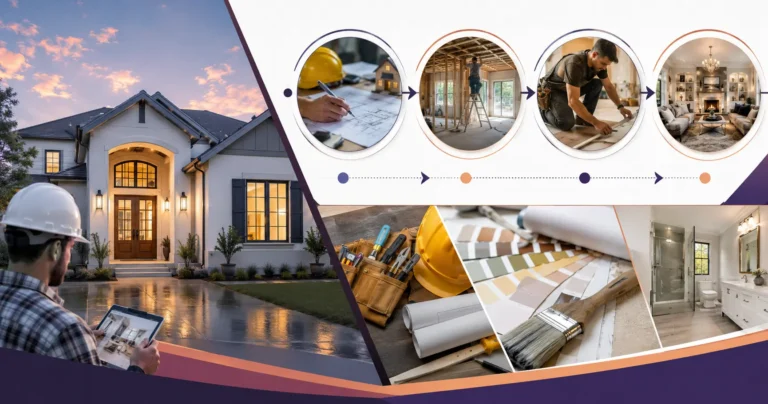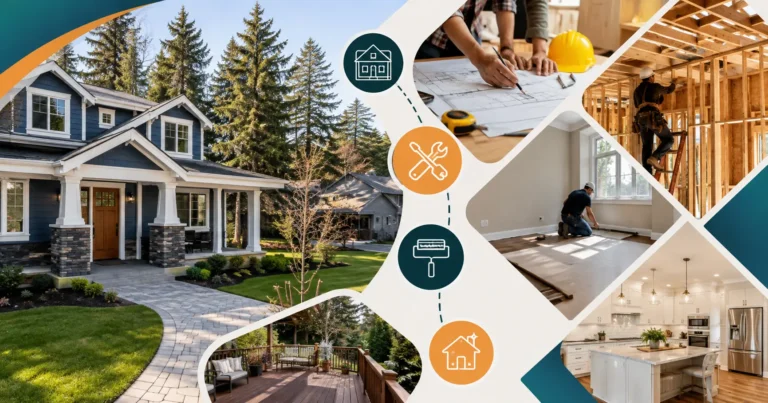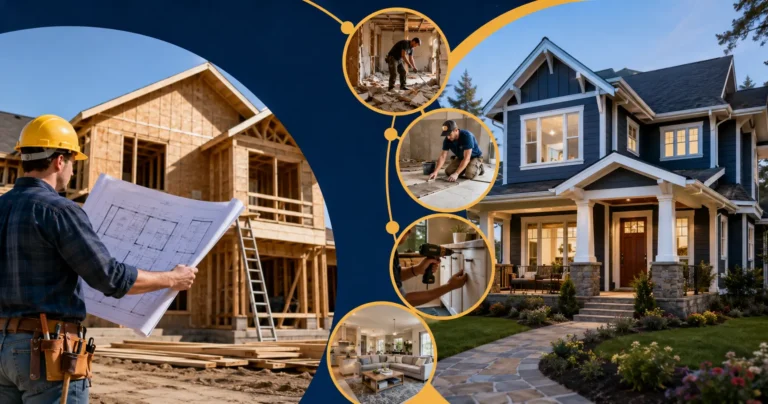
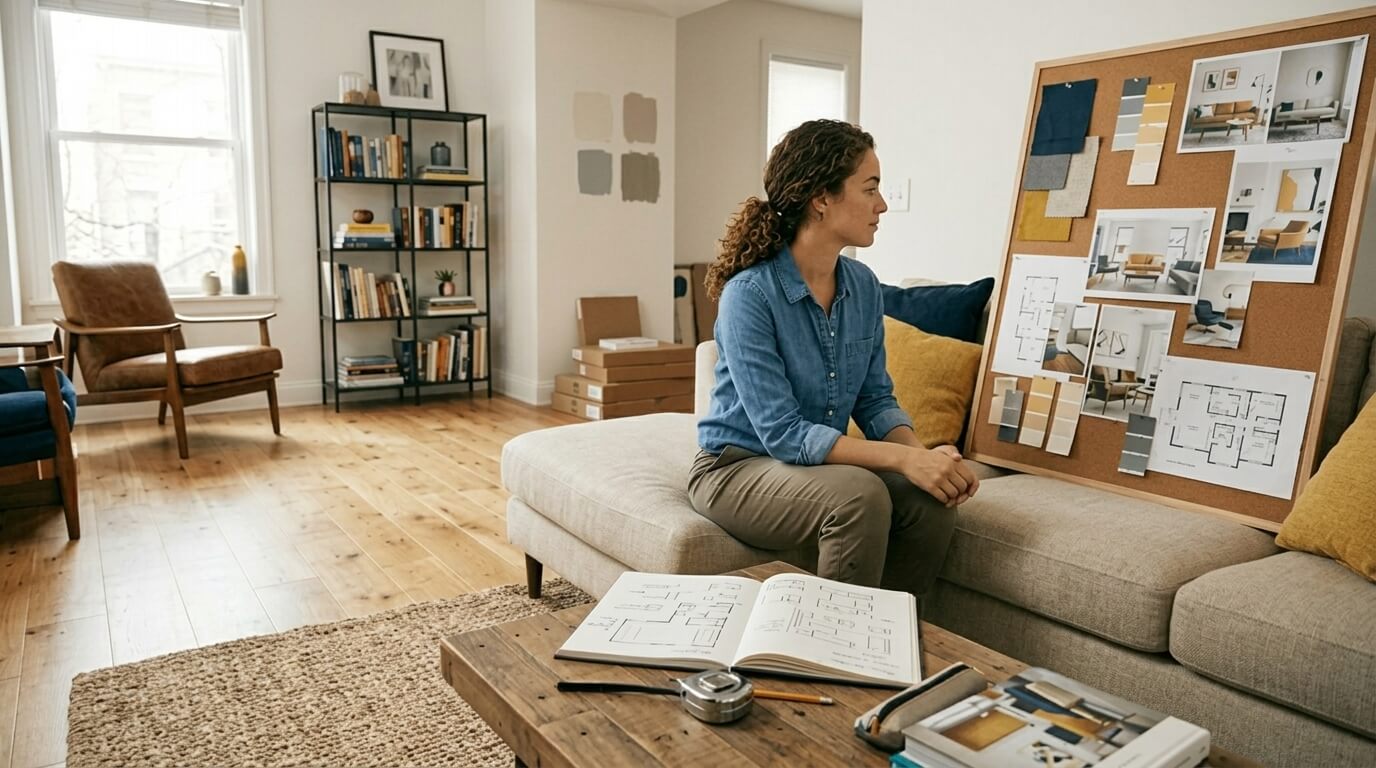

Understanding interior decoration furniture design fundamentals transforms how you approach home styling. Whether you’re a design enthusiast or simply want to improve your living spaces, mastering these principles will elevate every room in your home.
Design Fundamentals Everyone Should Know
Good design isn’t about following rules—it’s about understanding principles and knowing when and how to break them intentionally. Interior decoration furniture design starts with understanding fundamental concepts.
The Design Process
Successful interior decoration furniture design follows a logical process:
- Assess your space – Measure rooms, note architectural features, evaluate lighting
- Define your style – Determine your personal aesthetic and design preferences
- Create a plan – Sketch layouts, develop color schemes, list needed pieces
- Source furniture – Find key pieces that match your plan and budget
- Layer accessories – Add finishing touches that personalize the space
- Evaluate and adjust – Live with the design, then refine as needed
This intentional approach prevents impulsive purchases and design mistakes.
Understanding Style Categories
Different furniture and decoration styles create different feelings:
Traditional Style:
- Formal furniture with ornate details
- Rich, warm color palettes
- Classic patterns and textures
- Timeless appeal that endures
Modern/Contemporary Style:
- Clean lines and minimal ornamentation
- Neutral or bold color choices
- Emphasis on function
- Current design trends reflected
Rustic Style:
- Natural materials and textures
- Warm, earthy colors
- Distressed or reclaimed finishes
- Cozy, welcoming feeling
Industrial Style:
- Raw materials and exposed elements
- Metal and wood combinations
- Minimal decoration
- Edgy, sophisticated appeal
Bohemian Style:
- Eclectic, layered design
- Rich colors and global influences
- Mix of patterns and textures
- Artistic, personal expression
Transitional Style:
- Blend of traditional and contemporary
- Balanced color palettes
- Mix of old and new
- Flexible and timeless
Furniture as Design Foundation
Furniture forms the foundation of any interior space. Furniture decoration starts with selecting quality pieces that reflect your style and meet your functional needs.
Selecting Key Furniture Pieces
Every room needs anchor pieces—substantial furniture that defines the space:
In Living Rooms:
- Sofa or seating arrangement
- Coffee table
- Entertainment center
- Additional seating
In Bedrooms:
- Bed frame and mattress
- Nightstands
- Dresser or chest
- Additional seating (optional)
In Dining Rooms:
- Dining table
- Chairs (typically matching set)
- Buffet or sideboard
- Additional storage
In Home Offices:
- Desk
- Chair
- Shelving
- Storage solutions
Quality anchor pieces last longer, function better, and look better than cheap alternatives.
The Importance of Scale and Proportion
Understanding scale ensures your furniture works in your space:
- Large, heavy furniture in small rooms feels cramped
- Tiny furniture in spacious rooms feels lost
- Mix furniture heights for visual interest
- Balance visual weight across the room
- Consider negative space around pieces
Furniture Quality Indicators
When selecting furniture decoration pieces, invest in quality:
What to Look For:
- Solid wood construction (not particle board)
- Proper joinery and reinforcement
- Quality upholstery without sagging
- Smooth drawers and hardware
- Finished backs (not just fronts)
- Adequate support and stability
Quality furniture costs more initially but provides better value long-term.
Color Theory in Interior Design
Color is one of the most powerful design tools available. Understanding color relationships improves your interior decoration furniture design decisions.
Color Psychology
Different colors create different emotional responses:
- Blues: Calming, peaceful, trustworthy
- Greens: Natural, restful, balanced
- Reds: Energetic, passionate, dramatic
- Yellows: Cheerful, optimistic, warm
- Purples: Luxurious, creative, mysterious
- Neutrals: Calm, versatile, timeless
- Blacks/Dark colors: Sophisticated, formal, dramatic
- Whites/Light colors: Fresh, open, clean
Building Color Palettes
Successful color schemes typically include:
- Dominant color (60%): Usually a neutral or wall color
- Secondary color (30%): Supporting color that doesn’t overwhelm
- Accent colors (10%): Bold colors for interest and personality
Color Harmony Options:
Monochromatic:
- Uses one color in varying shades
- Creates cohesive, sophisticated spaces
- Works in any style
- Requires texture to prevent blandness
Analogous:
- Uses colors next to each other on the color wheel
- Creates harmonious, balanced spaces
- Natural and pleasing
- Works well in nature-inspired designs
Complementary:
- Uses colors opposite on the color wheel
- Creates dynamic, energetic spaces
- High contrast and visual interest
- Requires careful balance
Triadic:
- Uses three colors equally spaced on the color wheel
- Creates vibrant, balanced spaces
- More complex but rewarding
- Works well in eclectic designs
Texture and Pattern in Interior Design
Beyond color, texture and pattern add richness and depth to furniture decoration.
Incorporating Texture
Texture makes spaces feel dimensional and interesting:
- Smooth textures: Glass, marble, polished wood
- Rough textures: Stone, brick, weathered wood
- Soft textures: Fabrics, rugs, throws
- Hard textures: Metal, ceramic, tile
Successful design mixes various textures. An all-smooth room feels cold and modern. An all-rough room feels rustic and textured. A mix feels balanced and sophisticated.
Using Patterns Effectively
Patterns add personality and visual interest:
Pattern Types:
- Geometric: Shapes and mathematical patterns
- Floral: Plant-inspired designs
- Striped: Linear patterns
- Abstract: Non-representational designs
- Textured: Patterns created through texture
Pattern Mixing Tips:
- Scale patterns differently (small with large)
- Repeat pattern colors in solid fabrics
- Limit to 2-3 patterns per room
- Anchor patterns with solid neutrals
- Use pattern in textiles and accessories more than furniture
Lighting as a Design Element
Proper lighting is essential for showcasing furniture decoration and creating desired moods.
Types of Lighting
Ambient Lighting:
- General illumination
- Overhead fixtures or indirect sources
- Foundation for all other lighting
- Should be dimmable when possible
Task Lighting:
- Focused lighting for specific activities
- Reading lamps, desk lights, kitchen lights
- Bright enough for safe, comfortable work
- Positioned to minimize shadows
Accent Lighting:
- Highlights specific features
- Art lights, uplighting, spotlights
- Creates visual interest
- Often on dimmers for mood control
Natural Lighting:
- Sunlight from windows
- Free, beautiful, and energizing
- Changes throughout day and seasons
- Requires window treatments for control
Lighting Color Temperature
Light has emotional qualities:
- Warm light (2700K): Cozy, intimate, flattering
- Neutral light (4000K): Clean, balanced, energizing
- Cool light (5000K+): Bright, clinical, energetic
Choose warm light for bedrooms and living areas. Use brighter, cooler light for kitchens and bathrooms.
Furniture Arrangement Principles
How you arrange furniture dramatically impacts how a space functions and feels.
Creating Flow and Function
- Identify traffic patterns and maintain clear pathways
- Position furniture to facilitate conversation
- Balance visual weight across the room
- Avoid pushing everything to walls (except in small spaces)
- Create focal points that draw the eye
Furniture Arrangement for Different Spaces
Living Rooms:
- Position seating to face each other for conversation
- Create a focal point (fireplace, TV, or window)
- Allow comfortable pathways through the room
- Include side tables for function and balance
Bedrooms:
- Position bed as the focal point
- Allow space on both sides for nightstands
- Don’t block windows or doorways
- Keep secondary furniture to essentials
Dining Rooms:
- Center table in the room
- Ensure adequate space around for chairs
- Position buffets or sideboards strategically
- Maintain clear sight lines
Home Offices:
- Position desk for natural light
- Face door when possible
- Arrange for comfortable work
- Include filing and storage solutions
Finishing Touches and Accessories
Furniture decoration isn’t complete without thoughtful accessorizing.
Accessory Categories
Functional Items:
- Throw pillows and blankets
- Area rugs
- Window treatments
- Storage baskets
Decorative Items:
- Artwork and frames
- Books and displays
- Plants and flowers
- Mirrors and reflective pieces
Lighting Elements:
- Lamps and fixtures
- Candles
- String lights
- Lanterns
Styling Surfaces
Every flat surface offers styling opportunities:
Coffee Tables:
- Center with a decorative tray
- Add books and a candle
- Include a plant or flowers
- Keep surface uncluttered
Shelves:
- Mix books, decor, and personal items
- Vary heights and depths
- Leave breathing room
- Group items in odd numbers
Nightstands:
- Lamp for reading
- Tray for organizing items
- Single decorative element
- Keep one drawer clear
Mantels:
- Center focal point (artwork or mirror)
- Flank with symmetrical items
- Add height variation
- Keep approximately 60% of surface clear
Design Trends vs. Timeless Choices
When making interior decoration furniture design decisions, consider whether you’re choosing trendy pieces or timeless investments.
Timeless Furniture Choices
These pieces work for years or decades:
- Classic sofa shapes and neutral colors
- Quality wood furniture in traditional or transitional styles
- Neutral flooring
- Timeless artwork and framed photography
- Classic lighting fixtures
Trend-Forward Design
Add trendiness through affordable, easy-to-change elements:
- Accent wall colors (repaint when trends change)
- Decorative accessories and throw pillows
- Current artwork styles
- Temporary installations
Mixed Approach
The smartest approach combines both:
- Invest in timeless anchor pieces
- Add trends through accessories
- Update accessories seasonally or when trends change
- Maintain the ability to evolve your design
Creating Your Personal Design Philosophy
The most successful interior decoration furniture design reflects the people who live in the space.
Defining Your Style
Ask yourself:
- What colors make me feel happy?
- What textures do I love to touch?
- What styles inspire me?
- How do I live day-to-day?
- What’s my design budget?
- What do I want guests to notice first?
Your answers guide every decision.
Authentic Design
The best design happens when:
- Your space reflects your personality
- Form and function work together
- Quality is prioritized over quantity
- Personal items are displayed proudly
- The space serves your lifestyle
- You feel genuinely comfortable
Building Your Furniture Design Skills
Improving your interior decoration furniture design knowledge is an ongoing journey:
Learning Resources
- Design books: Study professional design and styling
- Instagram and Pinterest: Gather inspiration and ideas
- Design blogs: Learn from experienced designers
- Home tours: See how real people style spaces
- Design courses: Develop structured design knowledge
Practical Experience
The best learning comes from doing:
- Start with one room as a practice space
- Make intentional changes and observe results
- Don’t be afraid of mistakes—they teach valuable lessons
- Refine your space over time as your confidence grows
- Share your space and accept feedback positively
Your Design Journey
Interior decoration furniture design is ultimately about creating spaces that work beautifully for your life. By understanding fundamental design principles, selecting quality furniture, coordinating colors thoughtfully, and layering accessories intentionally, you create homes that genuinely reflect who you are.
The best design isn’t the most expensive or the most trendy. It’s the space where you feel most like yourself, surrounded by beauty that functions perfectly for how you live. Start with these principles, trust your instincts, and enjoy the journey of creating your perfect home.
FAQs
Q: How do I know if I’ve made a design mistake?
A: If something doesn’t feel right, it probably isn’t. Trust your instinct. Live with the space for a while before making changes, as designs often improve once you get accustomed to them.
Q: Can I mix design styles in one space?
A: Yes! Transitional and eclectic designs intentionally mix styles. Ensure visual consistency through color, scale, and quality, even when mixing styles.
Q: Should I buy all furniture at once or gradually?
A: Gradual purchasing allows you to save money, find quality pieces, and evolve your design as your taste develops. Buying everything at once often results in less cohesive spaces.
Q: How often should I refresh my home design?
A: Major changes (furniture) might happen every 5-10 years. Accessory and decor refreshes can happen seasonally or annually without major expense.
Q: What’s the best way to learn interior design?
A: Study professional designs, gather inspiration, practice on your own spaces, read design books, and don’t be afraid of experimentation and mistakes.
Q: How do I balance aesthetics with functionality?
A: Form and function should work together. Beautiful spaces that don’t function well create frustration. Always ask: “Does this work with how I live?” before buying.