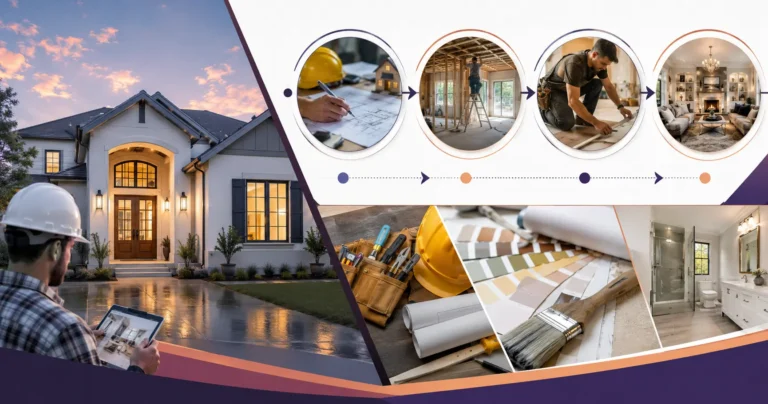

Interior Decorating vs Design: Understanding the Difference Before You Study
Before investing in education, it helps to understand interior decorating vs design as distinct fields, because they lead to different careers.
Interior decorating is the art of making spaces beautiful. It focuses on aesthetics — furniture colour, texture, pattern, accessories, and styling. A decorator works with what exists architecturally and enhances it.
Interior design is a broader discipline that includes both the aesthetics of decorating and the functional, technical aspects of spatial planning. Interior designers can specify structural changes, work with architects, produce technical drawings, and often must meet licensing requirements for commercial work.
Both are rewarding, creative careers. The right choice depends on whether you are drawn to the pure visual artistry of decoration or the broader problem-solving of spatial design.
Interior Decoration and Design Courses: Your Pathway to a Creative Career
The interest in interior decoration design course options has grown enormously. People are increasingly drawn to creative careers, and interior design offers a profession that is both artistically fulfilling and commercially viable.
Types of Courses Available
University Degree (BA/BSc Interior Design) A three or four year degree provides the deepest grounding in design theory, technical skills, and professional practice. Graduates are qualified for roles across residential, commercial, and hospitality design. Most programmes include studio work, technical drawing, history of design, sustainability, and business modules.
Diploma or HND Programmes These are shorter, usually one to two years, and focus more practically on the skills needed to work as a decorator or junior designer. Good for career changers or those who want to work independently.
Online Interior Decoration and Design Courses Online learning has transformed access to design education. Platforms including the UK-based KLC School of Design, the New York Institute of Art and Design, and Coursera all offer structured interior decoration and design courses that can be completed part-time around existing commitments.
Short Courses and CPD Colour theory workshops, CAD software courses, fabric and material specification courses — these shorter programmes allow practising designers to develop specific skills.
What to Look for in an Interior Decoration Design Course
- Portfolio development: Does the course help you build a strong portfolio? This is often more important than the qualification itself when getting your first clients or job.
- Industry connections: Does the school have relationships with design practices, manufacturers, or trade suppliers?
- Accreditation: Is the course recognised by a professional body such as BIID (UK) or ASID (USA)?
- Teaching quality: Are tutors currently practising designers? Is theory taught alongside practical studio work?
Interior Decoration Design for Home: Where to Start
If you are not pursuing a career but simply want to improve your own interior decoration design for home, the principles are the same — just applied on a smaller, more personal scale.
Start with a clear brief for each room. What does the room need to do? Who uses it, and when? What feeling should it create? A bedroom brief might be: “A calm, uncluttered retreat for rest and reading, that feels cosy in winter and fresh in summer.”
Work from large to small. Walls and floors first, then large furniture, then smaller furniture, then accessories and art. Decisions made in the wrong order lead to expensive mistakes.
Respect the architecture. If your home has beautiful original features — cornicing, wooden floors, Victorian tiles, original fireplaces — design with them, not against them.
Interior Decoration Designs Living Room: Creating Your Best Space
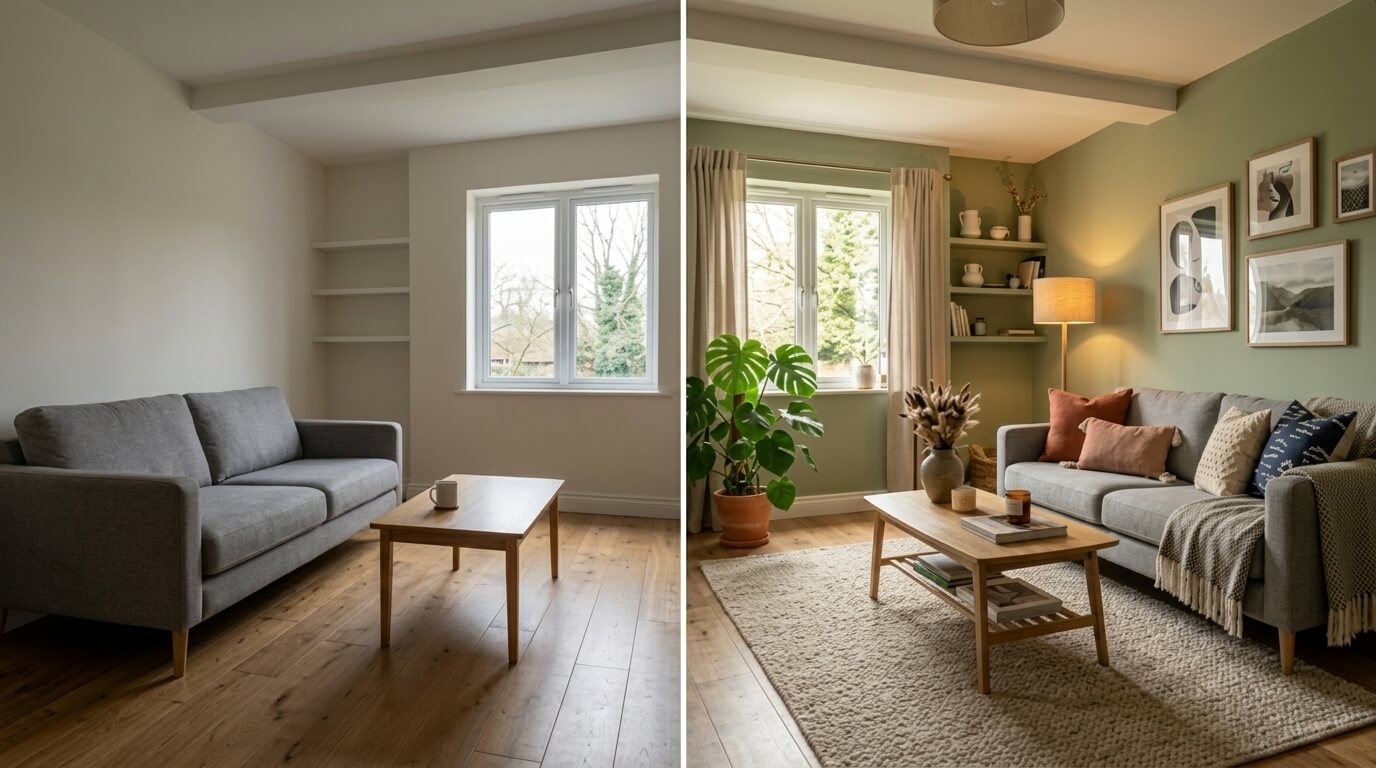
The living room is the centrepiece of interior decoration design for home. It is where you relax, entertain, and spend time with people you love. Getting the interior decoration designs living room right is worth significant thought and care.
Layout First
Before choosing colours or furniture, consider the layout. How do you want to use the room? Primarily for watching television? For conversation? For reading? For working from home?
Identify the primary seating arrangement and anchor it with a rug. Place the sofa and main chairs so that they face each other (for conversation) or face the primary focal point (television, fireplace, window) while still allowing easy conversation.
Key Living Room Design Elements
The sofa is the most important purchase in the living room. Invest in quality. A well-made sofa that fits your space perfectly and suits your lifestyle will serve you for a decade or more. Consider: scale (proportional to the room), depth (deep sofas for lounging, shallower for upright conversation), fabric (easy-clean if you have children or pets), and colour (neutral if you want flexibility, bold if you are confident in your palette).
The coffee table should be approximately the same height as the sofa seat — or slightly lower. Leave at least 45cm of walking space around it.
Storage in the living room is often an afterthought and should not be. Built-in shelving, a media unit, a sideboard, or a beautiful storage ottoman all keep the room from becoming cluttered.
The fifth wall — the ceiling — is often ignored in living room design. A ceiling painted a slightly deeper tone than the walls adds warmth. A statement light fixture adds drama. Coving or cornicing adds period elegance.
Interior Decoration Furniture Design: Choosing Pieces That Work
Interior decoration furniture design is a specific skill — the ability to select, specify, and arrange furniture so that it enhances a space rather than simply filling it.
Principles of Furniture Design in Interiors
Scale and proportion matter more than anything. Furniture that is too small for a room looks mean. Furniture that is too large looks oppressive. Use a floor plan (even a simple paper sketch with measurements) to check that pieces will fit before buying.
Mix furniture heights. A room with all furniture at the same height feels flat. Combine low sofas with taller shelving, mix a high-backed chair with a low ottoman. Variation in height creates visual interest.
Do not match everything. A perfectly matched furniture set from a single retailer is the fastest way to make a room look undesigned. Mix periods, styles, and materials deliberately for a room that feels curated rather than bought.
Invest in classics. The Eames lounge chair. The Saarinen tulip table. The Wegner wishbone chair. Classic furniture designs have lasted decades because they are genuinely excellent. They cost more, but they last and remain beautiful.
Choose quality over quantity. A room with fewer, better pieces of furniture almost always looks better than a room packed with many lower-quality items.
FAQs
How long do interior decoration and design courses take? From a few weeks for short online courses to three or four years for a full university degree. A diploma takes one to two years and is often sufficient for a decorating career.
Can I study interior decoration design online? Yes. Many excellent programmes are entirely online, including those from the New York Institute of Art and Design, KLC School of Design, and various Coursera partners.
What is the best way to choose living room furniture? Measure your space first. Determine your layout. Then shop for scale, comfort, and quality — in that order. Colour and style are the last considerations, not the first.