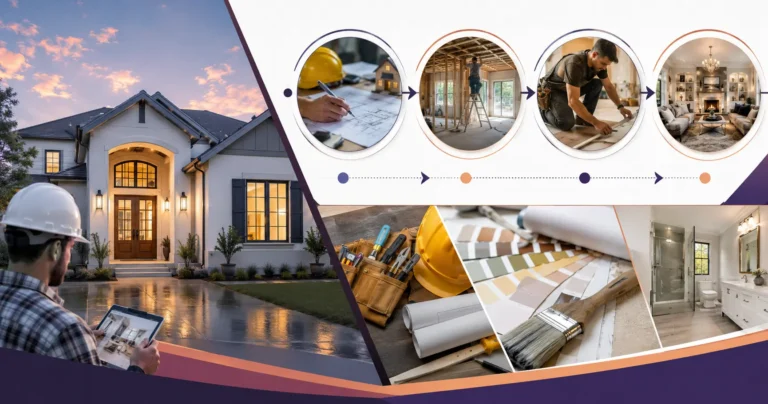

Decor and interior design are two terms most people use interchangeably, but they represent distinct layers of how a space is created and experienced. Together, decorating and interior design produce environments that are both beautiful and functional — whether you are designing a cosy home, a thriving nail salon, or a grand entrance hall with statement columns.
What Is the Relationship Between Decor and Interior Design?
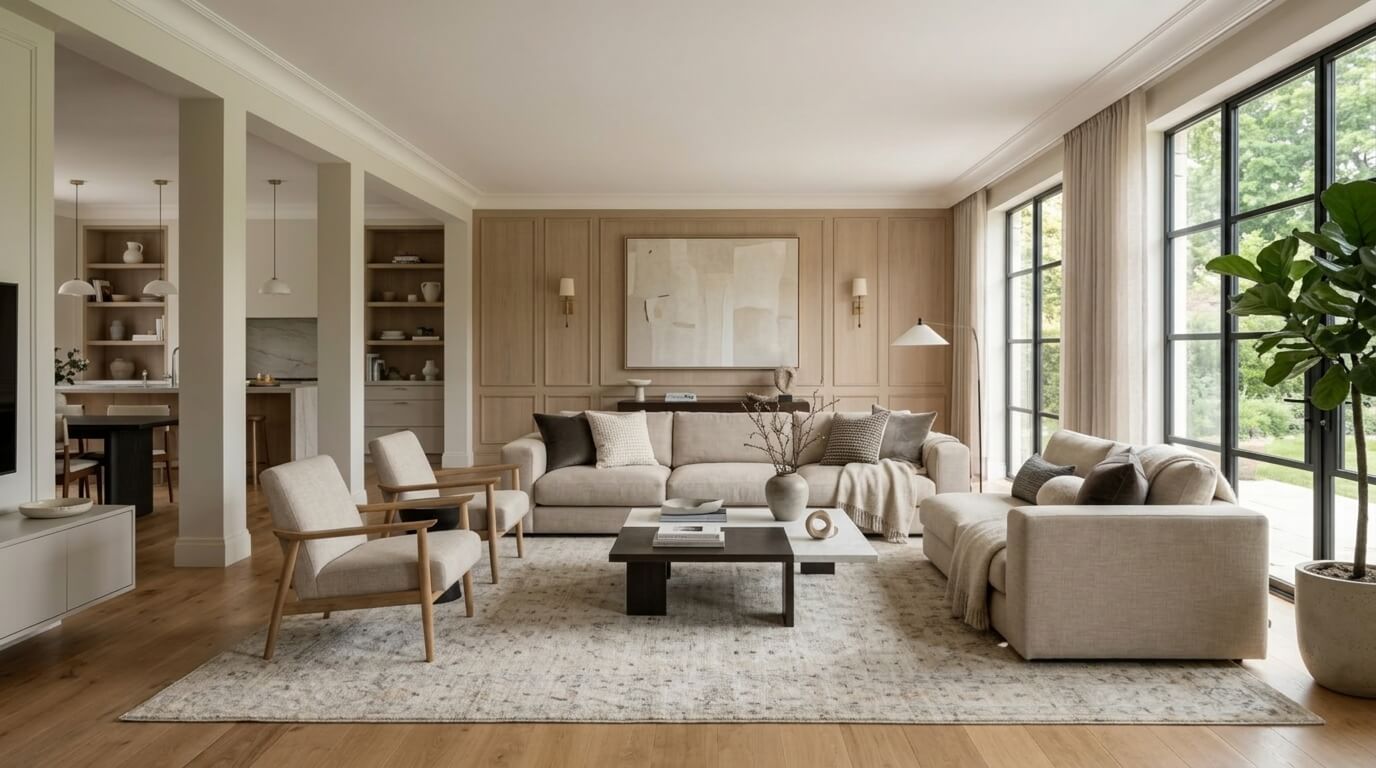
Design interior decoration is a layered process. Interior design deals with the bones of a space — layout, lighting plans, spatial flow, structural choices, and the overall concept. Decor, or decoration, is what comes after: the furniture the artwork, the accessories, the textiles, and all the finishing touches that give a space personality.
Think of interior design as the architecture of a room’s feel, and decor as the language it speaks.
A skilled decorator interior designer — or a team working across both disciplines — understands that these two layers must work in harmony. A beautifully decorated room placed in a poorly designed space will always feel slightly off. Equally, a well-designed room with flat, uninspired decor will feel cold and unfinished.
When both are done well, a space feels inevitable — as though it could not have been any other way.
Decorating Ideas for Nail Salon Interior Design
Decorating ideas nail salon interior design is a genuinely exciting specialisation. Nail salons have specific functional requirements — good lighting, comfortable seating, ventilation, and durable surfaces — but within those constraints, the design opportunities are vast.
The best nail salon interiors achieve three things: they put clients at ease the moment they walk in, they photograph well for social media (which drives bookings), and they are practical for staff to work in every day.
Key Nail Salon Interior Design Principles
- Lighting is everything. Nail technicians need precise, true-colour lighting to apply polish accurately. Invest in daylight-balanced LED task lighting at each station. Ambient lighting throughout the salon should be warm and flattering — harsh overhead fluorescents are the enemy of a relaxing experience.
- Choose a strong visual theme. The most booked nail salons have a clear aesthetic identity. Popular current themes include:
- Minimalist luxury: White walls, marble surfaces, gold accents, and clean lines.
- Botanical: Plant walls, terracotta pots, rattan furniture, and earthy tones.
- Maximalist glam: Jewel tones, velvet seating, chandeliers, and bold patterned wallpaper.
- Japanese-inspired: Calm, simple, natural materials, neutral palette, and clean space.
- Invest in comfortable seating. Clients are seated for anywhere from 30 minutes to two hours. Pedicure chairs should be genuinely comfortable. Manicure chairs should support a relaxed posture. Uncomfortable seating is one of the top reasons clients do not return.
- Create a memorable entrance. The moment a client walks in should feel like an arrival, not just an entry. A reception desk with beautiful branding, a signature scent, a distinctive wall behind the counter — these details are remembered and shared.
- Use durable, cleanable surfaces. Beauty is functional in a salon. All surfaces — floors, walls near stations, countertops — must withstand constant cleaning and chemical exposure. Porcelain tile, quartz countertops, and vinyl plank flooring are all practical and attractive choices.
- Social media moments matter. A feature wall, a neon sign, a particularly beautiful corner — design at least one space in the salon specifically to be photographed. Client photos on social media are free marketing.
Decorative Columns in Interior Design
Decorative columns interior design is a classic element experiencing renewed popularity. Columns are one of the oldest architectural features in human history, and they have never really gone out of style — they have simply evolved.
Types of Decorative Columns
Classical columns follow the orders of ancient Greek and Roman architecture: Doric (simple and sturdy), Ionic (with scroll capitals), and Corinthian (elaborate, leaf-decorated capitals). These are most at home in traditional, neoclassical, and Georgian-style interiors.
Modern columns are simpler and more abstract — smooth, cylindrical or square columns that define a space or mark a transition between rooms without historical reference.
Faux columns can be created using plasterboard and moulding to add architectural character to a new-build home that lacks original features. Done well, they are indistinguishable from genuine structural elements.
How to Use Columns Effectively in Interior Design
- Define zones. In open-plan spaces, a pair of columns can mark the transition between a living area and a dining area without the need for a wall.
- Frame a fireplace. Flanking a fireplace with columns elevates the focal point of a room dramatically.
- Create a grand entrance. Columns at the entrance of a hallway or in a double-height foyer immediately communicate scale and grandeur.
- Use them as display pedestals. A single column topped with a piece of sculpture or a plant is a beautifully considered design moment.
- Incorporate them into shelving. Wrap built-in bookshelves around existing structural columns to make an architectural necessity into a design feature.
Column Materials and Finishes
Columns can be rendered in plaster, fibreglass, MDF, stone, concrete, or wood. The finish depends on the style of the room:
- Painted white or cream for classical interiors.
- Natural stone or concrete render for contemporary spaces.
- Wrapped in timber cladding for a Scandinavian or craftsman aesthetic.
- Mirrored or lacquered for a glamorous, maximalist interior.
Working with a Decorator or Interior Designer
Whether you call them a decorator interior designer or keep the roles separate, understanding what each professional brings to your project helps you get better results.
An interior designer typically holds a formal qualification and can manage structural changes, work with architects, specify lighting systems, and produce technical drawings. A decorator focuses on the aesthetic layer — sourcing furniture selecting textiles, choosing art, and styling spaces.
For most home renovation projects a decorator with strong design sensibility is sufficient. For new builds, major renovations, or commercial projects like nail salons, an interior designer’s technical input is invaluable.
FAQs
What makes a nail salon interior design successful? Comfort, lighting quality, a strong aesthetic identity, durable materials, and at least one visually memorable moment that clients will photograph and share.
Are decorative columns expensive to install? They range widely. Lightweight MDF or plaster columns are relatively affordable. Stone or fibreglass classical columns are a more significant investment. Always factor in installation costs and any structural assessments if load-bearing walls are involved.
What is the difference between a decorator and an interior designer? An interior designer handles both spatial planning and aesthetics and often holds a formal qualification. A decorator focuses primarily on the visual finishing of a space.